
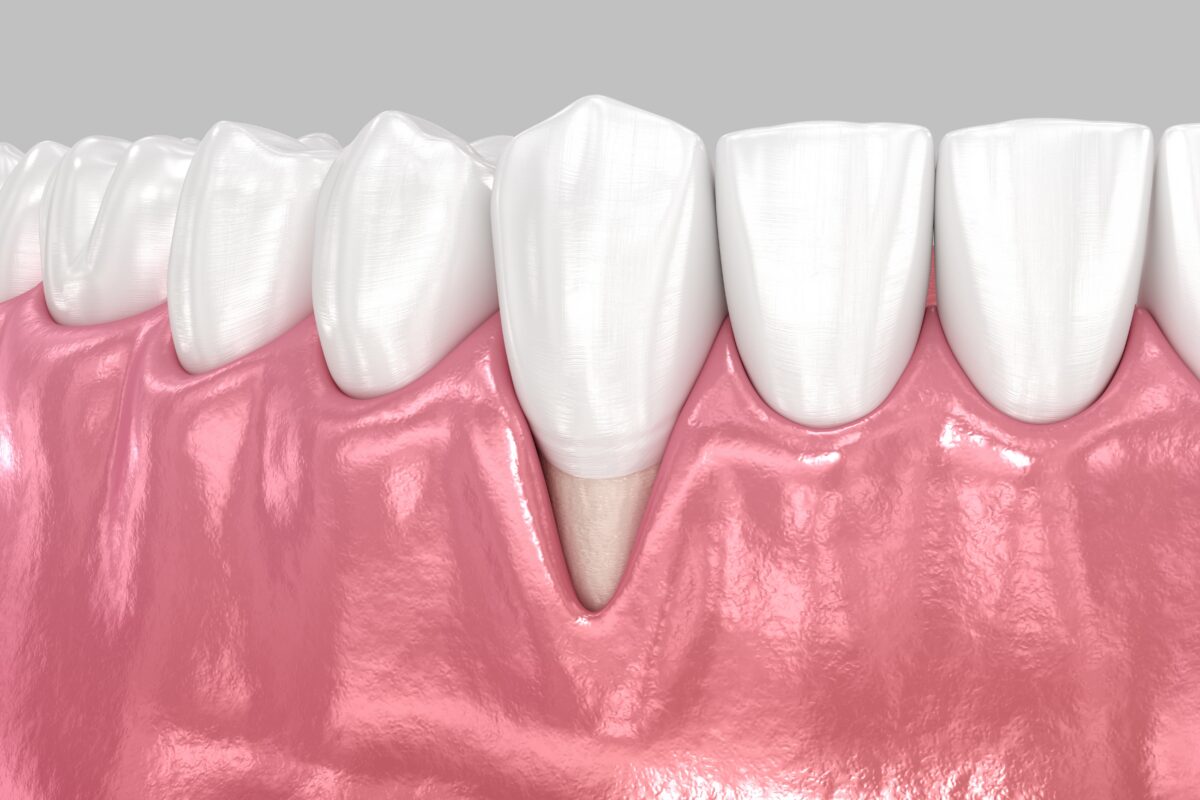
A dental crown can restore the strength and shape of a tooth after decay or root canal therapy. Maybe you’ve had your crown for a while and have noticed the gumline around the restoration has receded. Gum recession, which can develop around teeth with or without crowns, can have several underlying causes. Possible causes include gum disease, brushing too hard, or irritation from a poorly fitting crown.
Dr. Matthew Keider is a Winston-Salem restorative dentist with decades of experience helping patients maintain their restorations. He can help you understand what a receding gumline around a dental crown actually means and what the right next steps are.
What Causes Gum Recession Around Dental Crowns?
 Dental crowns do not directly cause gum recession. However, some factors can cause gumline changes, such as:
- Aggressive brushing: Excessive brushing pressure can pull the gums back.
- Gum disease: Plaque and bacteria around a crown can cause inflammation and damage the supporting tissues.
- Crown-related irritation: The position, fit, and shape of a crown’s edge can affect the surrounding gums.
When gum disease causes gum recession, treating the infection can help protect the tissues that support your teeth. Understanding how gum disease develops can help explain why your gumline may be changing.
How Gum Disease Affects the Gums Around a Crown
How does gum disease affect the gums around a crown? A crowned tooth still depends on healthy gums and bone for support. When plaque builds up along the gumline around that tooth, it can trigger inflammation.
Plaque can also accumulate below the gumline. If gum disease progresses to periodontitis, the bacteria and your body’s ongoing inflammatory response can damage the tissues and bone that support your teeth.
As these supporting structures break down, the gumline may recede, exposing more of the tooth or its root and making the tooth appear longer.
Treating Gum Disease Around a Crown
If gum disease contributes to recession around your crown, treatment depends on the infection’s stage. Early gum disease, called gingivitis, may improve with professional cleaning and better home care.
If gum disease progresses to periodontitis, Dr. Keider may recommend a deeper cleaning called scaling and root planing. This gum disease treatment cleans below the gumline to remove plaque and tartar, reduce bacteria and inflammation, and help the tissues heal. Scaling and root planing involves two related steps:
- Scaling removes plaque and hardened tartar from around the gumline.
- Root planing smooths rough areas on the tooth roots where bacteria can collect.
Dr. Keider’s practice is equipped with special ultrasonic instruments designed to remove plaque and tartar below the gumline in areas that need treatment, including around crowns.
After scaling and root planing, Dr. Keider recommends coming in about every three months at first for additional cleanings and to stay on top of gum issues.
Tips for Preventing Gum Recession Around Crowns
How can you prevent gum recession around a dental crown? Here are some simple tips to protect your gumline:
- Brush gently: Brush twice daily with fluoride toothpaste and a soft-bristled brush.
- Floss daily: Use dental floss to clean between the teeth.
- Keep up with exams: Regular visits allow Dr. Keider to monitor the gumline around your crown and check the restoration. Follow the cleaning schedule he recommends for your gum health.
Even when you do everything right, gum recession can still happen. If you notice changes around a dental crown, Dr. Keider can help identify the cause and determine whether treatment is necessary. Also, watch for other signs of gum disease, like bleeding gums.
Protect Your Gum Health With Dr. Keider
If you notice your gums pulling back around a crown, see a dentist like Dr. Keider to help identify the underlying cause. Gum recession doesn’t automatically mean you have gum disease, but if you do, addressing the infection can help preserve the restoration and protect the supporting tissues.
You don’t have to guess what gum recession around a crown means. Schedule an appointment with Dr. Matthew Keider. He can evaluate your gum health and recommend the next steps for optimal oral health.