![Minimally Invasive Dental Implants in Winston-Salem [Video Q&A]](https://keiderdds.com/wp-content/uploads/2026/04/Minimally-Invasive-Dental-Implants-in-Winston-Salem-Video-QA-1200x800.jpg)
What if the solution everyone talks about isn’t actually an option for you? While many dentists turn to traditional dental implants to replace missing teeth, they aren’t a good fit for every patient. Because they require a more invasive surgical process, patients with lower bone density, certain medical conditions, or concerns about undergoing surgery may not qualify. Others may simply feel uneasy about committing to a complex procedure, especially if they already struggle with dental anxiety. For many people, this can create a frustrating gap, leaving them to choose between uncomfortable dentures or no treatment at all. Fortunately, minimally invasive dental implants are changing what’s possible for patients who may not be candidates for traditional treatment.
Why Traditional Dental Implants Aren’t Minimally Invasive
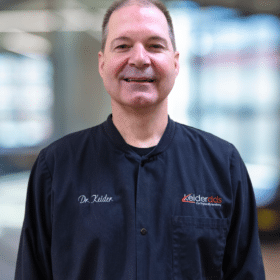
![Minimally Invasive Dental Implants in Winston-Salem [Video Q&A]](https://keiderdds.com/wp-content/uploads/2026/04/Minimally-Invasive-Dental-Implants-in-Winston-Salem-Video-QA-600x400.jpg) Traditional dental implants are not minimally invasive. They are larger and require a strong, healthy jawbone to support them. If that bone isn’t there, Dr. Keider often has to rebuild it with a bone graft first. That alone can add months to the process.
Traditional dental implants are not minimally invasive. They are larger and require a strong, healthy jawbone to support them. If that bone isn’t there, Dr. Keider often has to rebuild it with a bone graft first. That alone can add months to the process.
When it comes time to place the implant, Dr. Keider begins by making an incision in the gums to expose the bone. From there, he uses a sequence of drills to gradually widen the space until it matches the size of the implant. Once the site is fully prepared, he places the implant into the jawbone and closes the area with sutures.
But the process doesn’t end there. Your body now has to heal and integrate the implant. Over the next few months, the bone grows around it, which locks it in place. Only after that healing period can Dr. Keider attach the final tooth or restoration.
This approach works well but requires more time, multiple steps, and a longer recovery time than minimally invasive options.
How Are Minimally Invasive Dental Implants Different?
Minimally invasive dental implants are narrower implants that use a very different approach. Rather than opening the gums and preparing a large space in the bone, Dr. Keider uses a less invasive technique designed for smaller implants.
In many cases, he can position the implant directly through the gum tissue without making an incision. Instead of using a series of large drills, he creates a small pilot opening and carefully guides the implant into place. Because the implant is smaller, there’s less bleeding and no need for stitches. As a result, your body doesn’t need the same extended healing period.
In many cases, Dr. Keider can place the implants and attach a restoration much the same day.
One of the most common types of minimally invasive dental implants is mini dental implants. Their smaller size allows Dr. Keider to work with the bone that’s already there, helping many patients avoid bone grafting altogether.
For you, that means fewer steps, less waiting, and a much simpler path to restoring your smile.
Are Minimally Invasive Implants Right for You?
If traditional dental implants don’t feel like the right fit, minimally invasive implants may be a better option. This approach often appeals to patients with health limitations, those who don’t want to wait months for results, or anyone uneasy about dental treatment.
Patients Who Are Medically Frail
Some patients have health conditions that make more complex oral surgery risky or less desirable. Traditional implants require a more invasive surgical technique and extended healing times, which may not be ideal for everyone.
Minimally invasive implants are a gentler option. Because the placement process is less involved, it’s a more appropriate option for patients who need to limit surgical stress on the body.
Patients Who Want Faster Results
Traditional implant treatment can take several months to complete, and even longer if bone grafting is needed first. That’s a long time to wait to feel comfortable and confident again. Minimally invasive implants shorten the timeline. With mini implants, Dr. Keider can restore full function much sooner, helping you get back to eating, speaking, and smiling without a long delay.
Patients With Dental Anxiety
For patients with dental anxiety, the idea of surgery often feels overwhelming. The sounds, the steps, and the recovery all add to the pre-existing stress. Minimally invasive implants simplify the entire experience. With a gentler technique, fewer steps, and less downtime, the process can feel much more manageable. That difference makes it easier for many patients to move forward with treatment.
Traditional Dental Implants Aren’t Your Only Option!
Dental implants get a lot of attention, and for good reason. But when the traditional approach feels too involved, too time-consuming, or simply not right for you, it’s easy to feel like you’re on the outside looking in. But that doesn’t have to be the case. Minimally invasive mini dental implants make implant treatment accessible to many more patients, thanks to their fewer steps, less downtime, and gentler process.
If you’re unsure what you qualify for or what makes the most sense for your situation, the next step is simple. Schedule a consultation with Dr. Keider to review your options and find a solution that works for you.